Good news! We’ve made it easier for Texas Children’s Health Plan members to log in to the MyChart website. Now, you can access all your MyChart health care features anytime, anywhere using our new sign-in widget. Click the link to log in now
¡Buenas noticias! Hemos hecho más fácil el inicio de sesión en MyChart para nuestros miembros de Texas Children’s Health Plan. Ahora puedes acceder a todas las funciones de cuidado médico de MyChart en cualquier momento y desde cualquier lugar mediante nuestro nuevo widget de inicio de sesión. Haz clic en el enlace para iniciar sesión.
Important UpdateActualización importante:
Good news! All CHIP, STAR, and STAR Kids Member Handbooks are now available online. Quick, easy access to your benefits and coverage information - any time!
¡Buenas noticias! Todos los manuales para miembros de CHIP, STAR y STAR Kids ya están disponibles en línea. Obtén acceso rápido y sencillo a la información sobre tus beneficios y cobertura, ¡en cualquier momento!
Have you or your child been diagnosed with asthma? Texas Children’s Health Plan offers tools, resources, and self-management ideas to help members understand asthma and maintain a healthy lifestyle.
What is asthma?
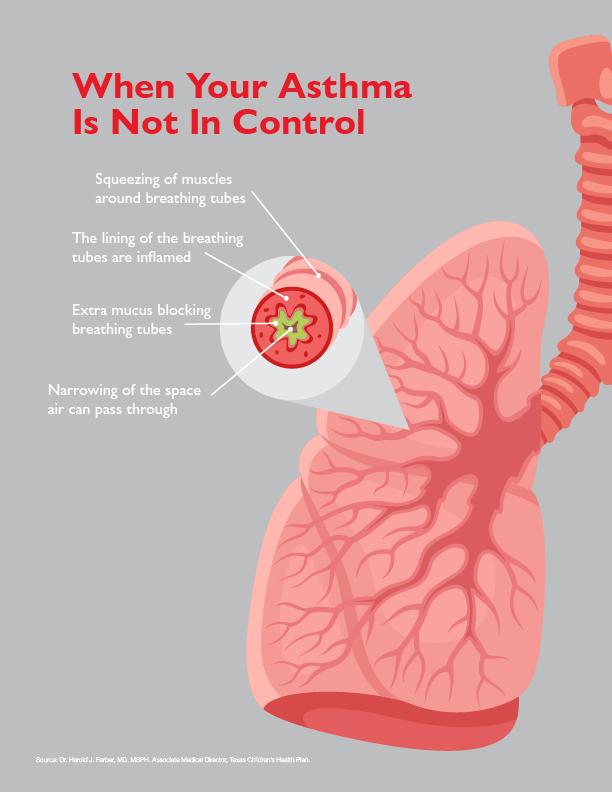
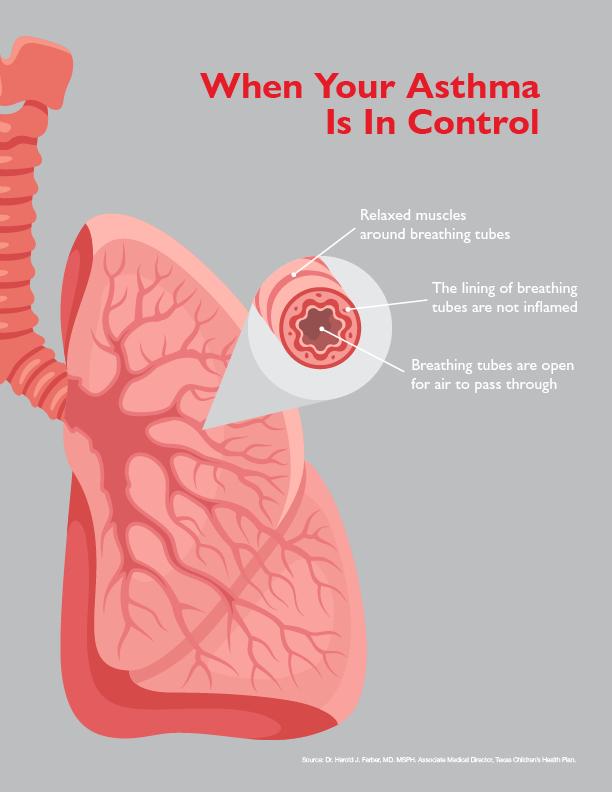
Asthma is a disease that makes it harder to breathe. For people with asthma, the airways in their lungs are often swollen or inflamed. This makes them very sensitive to a cold or things in the environment like dust, smoke, strong perfumes, and even pets. When exposed to any of these conditions, the insides of the airways swell even more, narrowing the space for the air to move in and out of the lungs. That is why breathing becomes so hard.
Image
Symptoms
Symptoms may vary but the primary symptoms of asthma may include:
Wheezing
Coughing
Shortness of breath
Chest tightness
Who’s at risk?
Asthma is the most common chronic condition among children. However, asthma can start at any age. People with allergies are also at high risk of having it. If not properly managed, it can be a life-threatening disease.
Common triggers
There are many factors that may trigger asthma, and each child reacts differently to these. Some of the most common factors are:
Colds and respiratory infections
Allergic reactions to allergens like pollen, mold, animal dander, feather, dust
Tobacco smoke
Poor air quality or very cold air
Emotional stress
Exercise
Image
Living with asthma
It is very important that you work with your doctor to create an action plan against asthma. An action plan is a written treatment plan document that you can share with family, caregivers and friends. It includes the following:
How to identify irritants
How to recognize and handle asthma attacks
Which medicines to take, how and when to take them
When to call your doctor or go to the emergency room